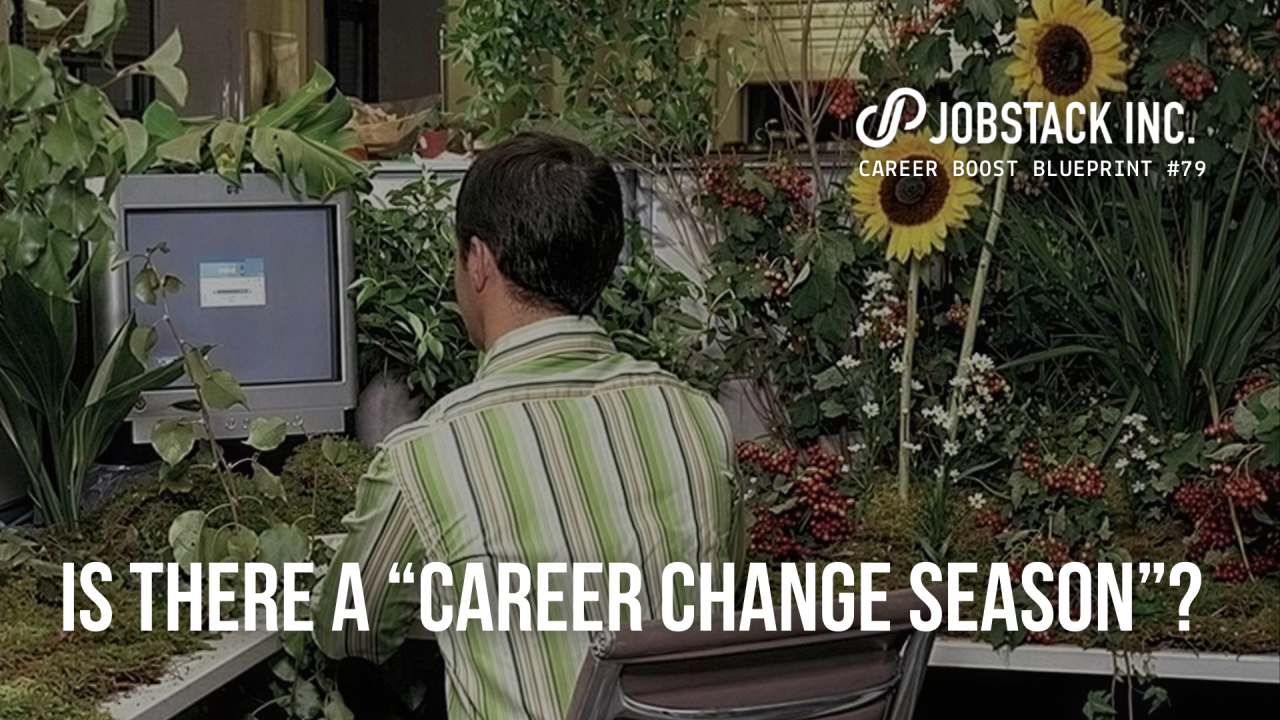
Is There a “Career Change Season”?
Career changes can happen at any point in the year, but some seasons seem to bring more motivation to reflect, reset, and explore what comes next. In our recent LinkedIn poll, we asked: “What season do you think most people start considering a career move?”
Read More
Access to Information Didn’t Replace Sales, It Raised the Bar
There’s been a quiet shift happening in sales. Not loud or obvious, but if you’re in it every day, you feel it. Buyers are more informed than ever. They’re doing their own research, comparing options, reading reviews, and forming opinions long before they ever take a call.
Read More
Constantly ‘On’ Is Not the Same as Productive
It feels like there’s always something you should be doing. Even when things are under control, even when the major priorities are handled, there’s still this underlying pressure to stay busy, stay responsive, stay on top of everything. The idea of having a slow moment or a clear inbox almost feels… wrong.
Read More
The Resource Gap in an AI-Driven Workplace
We recently ran a quick poll to get a pulse on what people are dealing with at work right now and the result that stood out most wasn’t what we expected.
Read More
Sales Has Changed More in 5 Years Than the Previous 20
For decades, the fundamentals of sales looked relatively similar. Build relationships, identify a need, present a solution, and close the deal. While technology evolved, the core rhythm of selling stayed fairly consistent. Over the past five years, however, the sales landscape has shifted dramatically.
Read More
The Manager You Never Forget
Most professionals can clearly remember two types of managers in their careers. The ones who helped them grow. And the ones who made the job harder than it needed to be.
Read More
What Our Network Told Us About Career Growth
We recently asked our network a simple question: How do you prefer to grow professionally? The response was clear.
Read More
Top Sellers Talk Less Than You Think
For years, the stereotype of a great salesperson was someone confident, persuasive, and always talking. But when real sales conversations began to be analyzed at scale, that assumption started to fall apart.
Read More
Sleep Is the Performance Variable Nobody Wants to Talk About
High performers tend to optimize everything except the one thing that determines how well the brain actually works, sleep. We treat it like a luxury, research treats it like infrastructure. Across decades of studies in neuroscience, occupational health, and cognitive psychology, one conclusion keeps resurfacing: sleep is one of the strongest predictors of work performance, decision quality, and long-term success.
Read More
What Productivity Research Reveals About Long Work Hours
Research has shown that working long hours does not equal more output. For decades, long hours have been treated as a badge of commitment. Early mornings, late nights, packed calendars. The assumption is simple: more time worked means more results. Research shows this assumption is wrong.
Read More
Manager Insight: How to Spot Slowdowns Before They Impact Your Team
One of the biggest challenges for managers is discovering a delay only after the project is already slipping. By that point, options are limited and stress rises fast. This week’s insight focuses on simple ideas that helps you identify early signs of a slowdown, keep work moving smoothly, and support your team before pressure builds.
Read More
Finding Your Flow After a Holiday Break
Long weekends are great for rest, connection, and stepping out of routine — but getting back into work mode can feel harder than expected. The good news is that momentum doesn’t come from perfection. It comes from small, intentional resets that bring your focus back online. Here’s a simple way to ease back in and set the tone for a productive week:
Read More
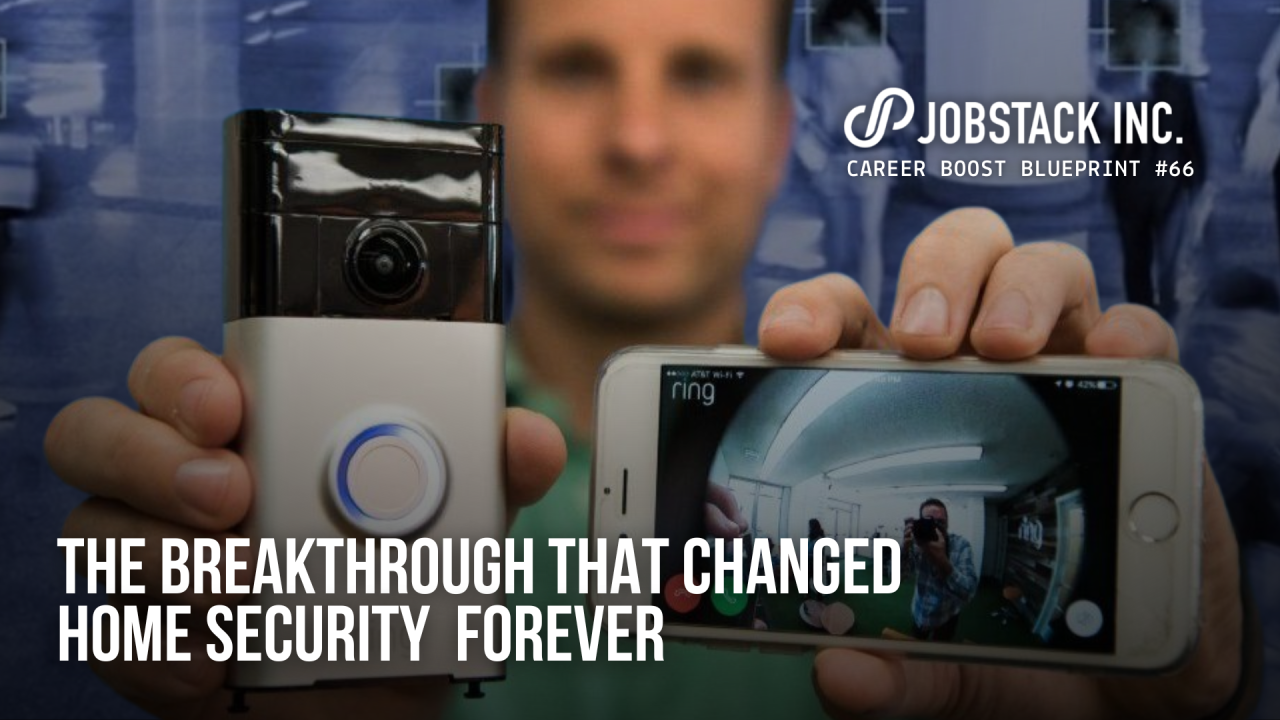
The Breakthrough That Changed Home Security Forever
In 2011, Jamie Siminoff was working in his garage when he built a rough prototype he called Doorbot. It was a Wi-Fi connected video doorbell, created because he wanted a safer way for his wife to see who was at the door while he worked.
Read More
The Hidden Skill That Separates Top Salespeople From the Rest
There’s no shortage of sales advice online, scripts, frameworks, and closing tactics. But if you study the top performers long enough, you’ll notice something they all share. It’s not charm. It’s not confidence. It’s curiosity.
Read More
How One Small Fix Rode the Wave to a Billion-Dollar Business
In 2002, Nick Woodman was just another California surfer chasing the perfect wave. But somewhere off the coast of Indonesia, a simple frustration changed everything. He wanted to capture the feeling, the drop, the spray, the moment, but the only cameras available were bulky, fragile, and impossible to strap to a surfboard. That problem would become the seed of one of the most recognizable innovations in consumer tech.
Read More
B2H: The Business Strategy You Can’t Automate
We’ve spent the last decade obsessed with systems. B2B. B2C. SaaS. CRM. ROI. Everything became a process, measurable, predictable, and scalable. But somewhere along the way, the human element started to disappear.
Read More
The Leadership Skill Nobody Talks About (But Every Great Project Manager Has)
You’ve learned how to delegate, motivate, and communicate. But there’s one leadership skill that rarely makes it into training manuals and it might be the difference between an average manager and an unforgettable one.
Read More
The Hidden Upside of Imposter Syndrome
Imposter syndrome is one of those experiences most of us hesitate to admit, but nearly everyone has felt. That quiet whisper in the back of your mind: “What if I don’t belong here?” “What if they realize I’m not as capable as they think?”
Read More
Building the Future: The Power of 3D in Modern Design
Using tools like AutoCAD, Revit, and BIM platforms, professionals can create detailed, lifelike models of conference rooms, data centers, and smart buildings long before they exist. Instead of relying on flat blueprints that only a few can interpret, 3D design allows everyone, from clients and architects to contractors and project teams, to experience the vision in advance.
Read More
Turning Odd Hours Into Opportunities: How to Stay Motivated Working Non-Traditional Hours
For many professionals, whether in security systems, healthcare, logistics, or IT, the job doesn’t stop at 5 p.m. Non-traditional hours (nights, split shifts, rotating schedules) are part of the deal. While they can feel like a challenge, they also offer opportunities to stand out, earn more, and develop grit that pushes careers forward. The key is learning how to keep your motivation strong when your schedule looks different from everyone else’s.
Read More